
Why Do Trees Make Loud Popping Sounds in Winter?
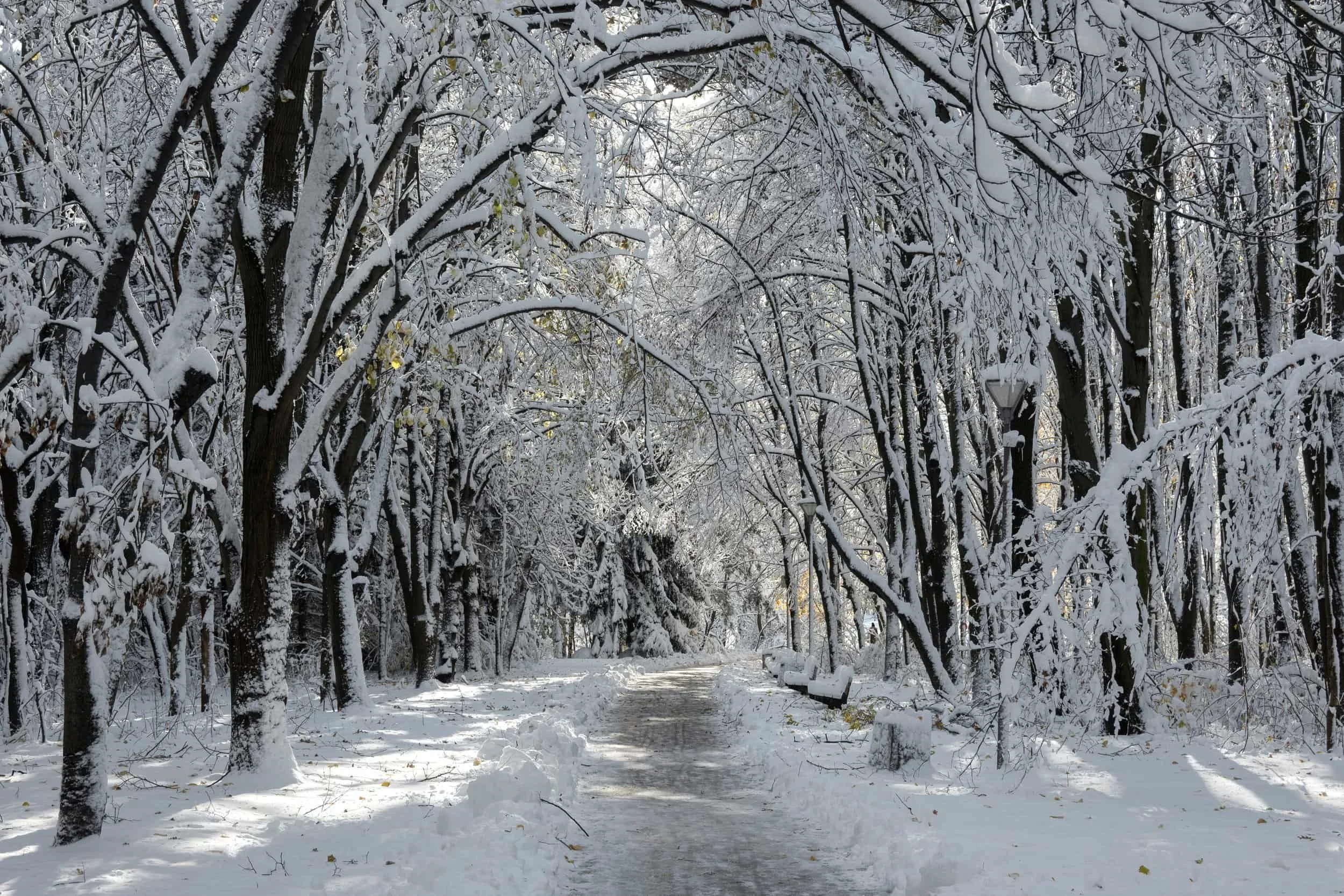
If you’ve ever been outside on a cold winter night and heard a sudden loud pop, bang, or crack coming from a nearby tree, you’re not alone. For many homeowners, the sound can be startling, and even a little alarming. It’s natural to wonder whether a branch is about to fall or if the tree is in trouble.
The good news? In most cases, those dramatic winter noises are a normal response to cold weather. Still, understanding why trees make popping sounds in winter can help you recognize when it’s harmless and when it might signal a problem.
The Science Behind Winter Tree Popping
The most common reason trees make popping or cracking sounds in winter is rapid temperature change. Just like metal, wood expands and contracts as temperatures fluctuate, but trees do this in a much more complex way.
During sunny winter days, a tree’s outer bark may warm slightly, even when air temperatures remain low. Once the sun sets, temperatures can drop quickly. The outer layers of the trunk cool and contract faster than the inner wood, creating internal stress. When that stress releases, it can produce a loud popping or cracking noise.
These sounds are often sharp and sudden, which is why they can be mistaken for a gunshot, fireworks, or breaking wood.
Frost Cracks: When Sound Becomes a Split
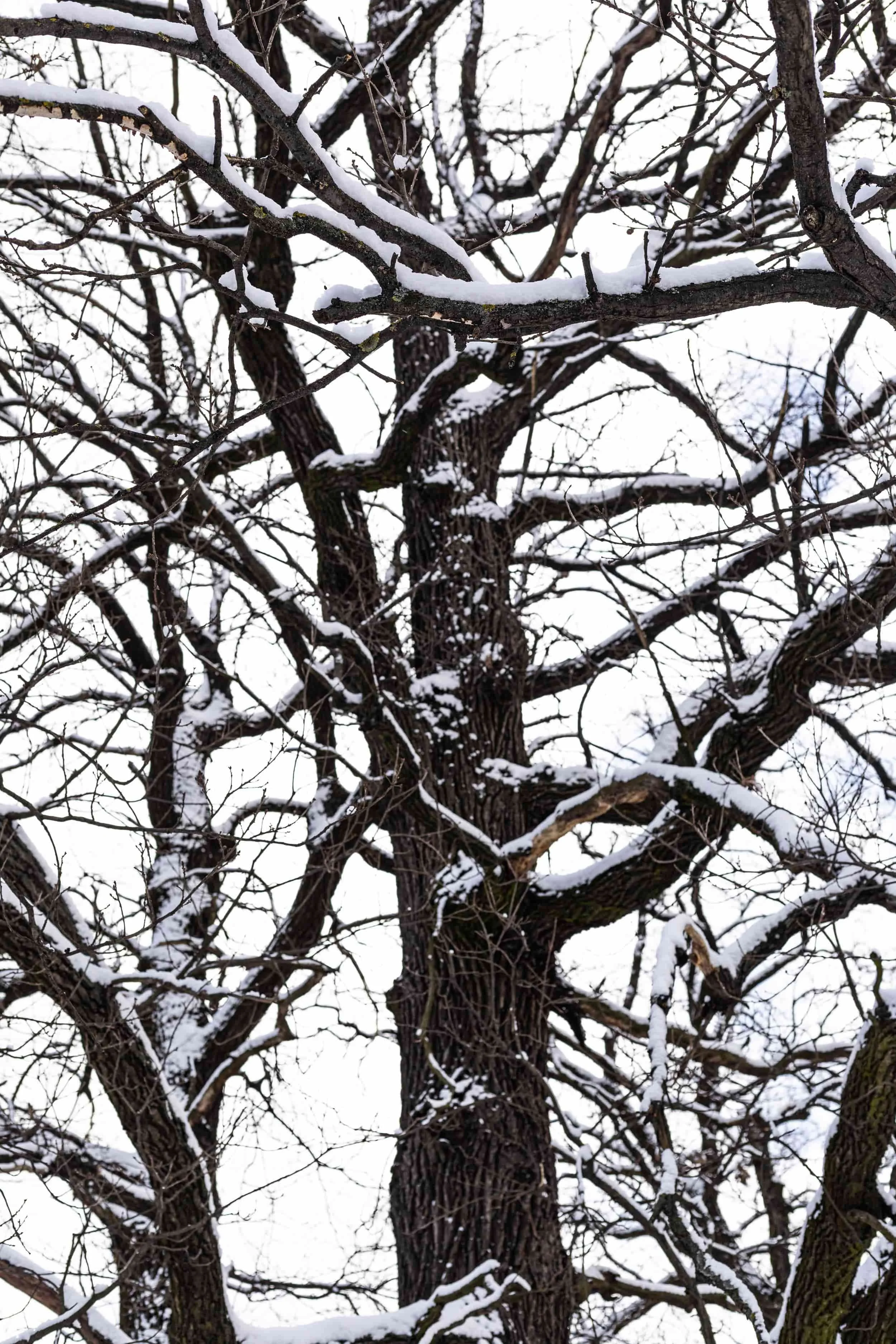
In some cases, the popping noise is caused by a frost crack, also known as a winter crack. A frost crack is a vertical split in the bark and outer wood layers of a tree trunk.
Frost cracks occur when:
Temperatures drop rapidly, especially after sunset
The outer bark contracts faster than the inner wood
Pressure builds until the wood splits
When a frost crack forms, it can create a loud, explosive sound. These cracks often appear on the south or southwest side of the tree, where the trunk experiences more daytime warming followed by rapid nighttime cooling.
While frost cracks may close during warmer weather, they often reopen each winter, which can weaken the tree over time.
The Role of Moisture Inside the Tree
Trees contain water within their cells and tissues. During extreme cold, that moisture can freeze and expand. As ice forms inside the wood, pressure increases, contributing to internal stress.
When the stress becomes too great, the tree may release it suddenly, resulting in a popping, snapping, or cracking sound. This is more common during severe cold snaps or when temperatures plunge quickly rather than gradually.
Which Trees Are Most Likely to Make Noise?
Not all trees pop in winter, but some are more prone than others. Trees most commonly associated with winter cracking sounds include:
Maples
Oaks
Sycamores
Fruit and ornamental trees
Trees with smooth or thin bark tend to be more susceptible, as are fast-growing trees and younger specimens. Trees planted in open areas are also at higher risk because their trunks are more exposed to sunlight during the day and cold temperatures at night.
Is Winter Tree Popping Dangerous?
Often, winter popping sounds are harmless and don’t cause lasting damage. Many trees experience minor internal stress during cold weather and recover without issue once temperatures stabilize.
However, repeated frost cracking can create long-term problems. Cracks in the bark can become entry points for insects, fungi, and decay. Over time, this may weaken the tree’s structure and increase the risk of limb failure.
You should consider having a tree inspected if you notice:
Long vertical cracks in the trunk
Bark pulling away from the wood
Cracks reopening in the same spot year after year
Signs of decay or insect activity near the crack
A professional arborist can determine whether the damage is cosmetic or something that requires attention.
Can You Prevent Trees From Popping in Winter?
While you can’t completely prevent winter cracking, there are steps you can take to reduce the risk. Adding mulch around the base of a tree can go a long way in keeping soil temperatures steady and protecting the roots. Wrapping young or thin-barked trees in late fall helps shield them from sudden temperature swings. If fall is dry, giving trees a good watering before the ground freezes helps them go into winter healthy and well-hydrated. Healthy, well-maintained trees are better equipped to handle winter stress than trees that are already weakened.
When to Call a Tree Care Professional
If a tree continues to make loud cracking sounds each winter or shows visible damage, it’s worth having it evaluated. An arborist can assess structural integrity, monitor frost cracks, and recommend protective measures to help the tree recover and remain safe.
Final Thoughts
Hearing a tree pop in winter can be unsettling, but it’s usually a natural response to extreme cold and rapid temperature changes. In most cases, these sounds are part of how trees adapt to winter conditions. Still, visible cracks or repeated damage shouldn’t be ignored.
By understanding why winter tree popping happens and knowing what signs to watch for, homeowners can take proactive steps to protect their trees and enjoy peace of mind all season long.
If you’re uncertain about the health of your trees, our team is here to help, from tree inspections to recommendations for protective measures. Contact Martin Tree anytime for guidance, safety, and peace of mind.