How Much Does Tree Trimming Cost? Key Pricing Factors
When a tree falls on your property, it can be stressful, confusing, and overwhelming, especially if it damages your home, vehicle, fence, or neighboring property. Between safety concerns, cleanup, and repairs, many homeowners aren’t sure where to start. One of the most common questions we hear as a tree service company is: “Will insurance cover this?”
While every situation is unique, understanding the general insurance process can help you move forward with confidence. Here’s a step-by-step guide to what typically happens when a tree falls and how insurance coverage usually works.
Tree Size and Height
The size of the tree is one of the biggest pricing factors. Taller trees and trees with wider canopies require more time, more labor, and more specialized equipment to remove or trim safely.
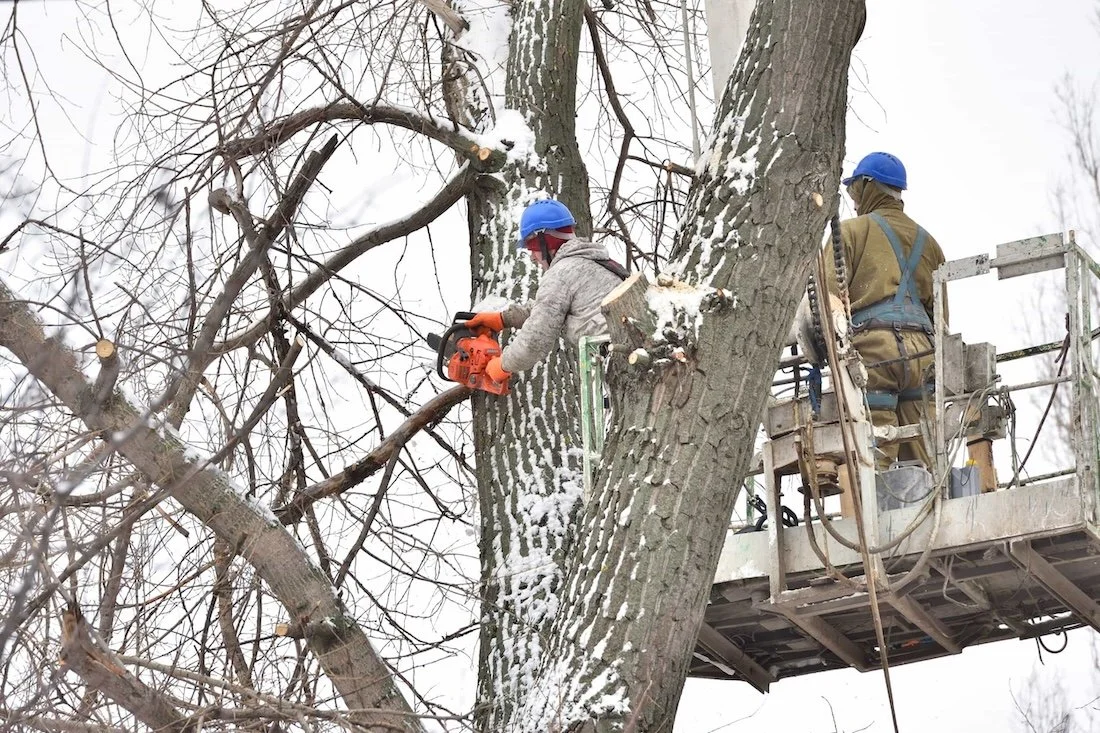
Larger trees often involve advanced climbing techniques, heavy-duty equipment, controlled rigging to prevent damage, and additional crew members. Because of this, a large tree will naturally cost more to service than a smaller ornamental tree.
Tree Location and Accessibility
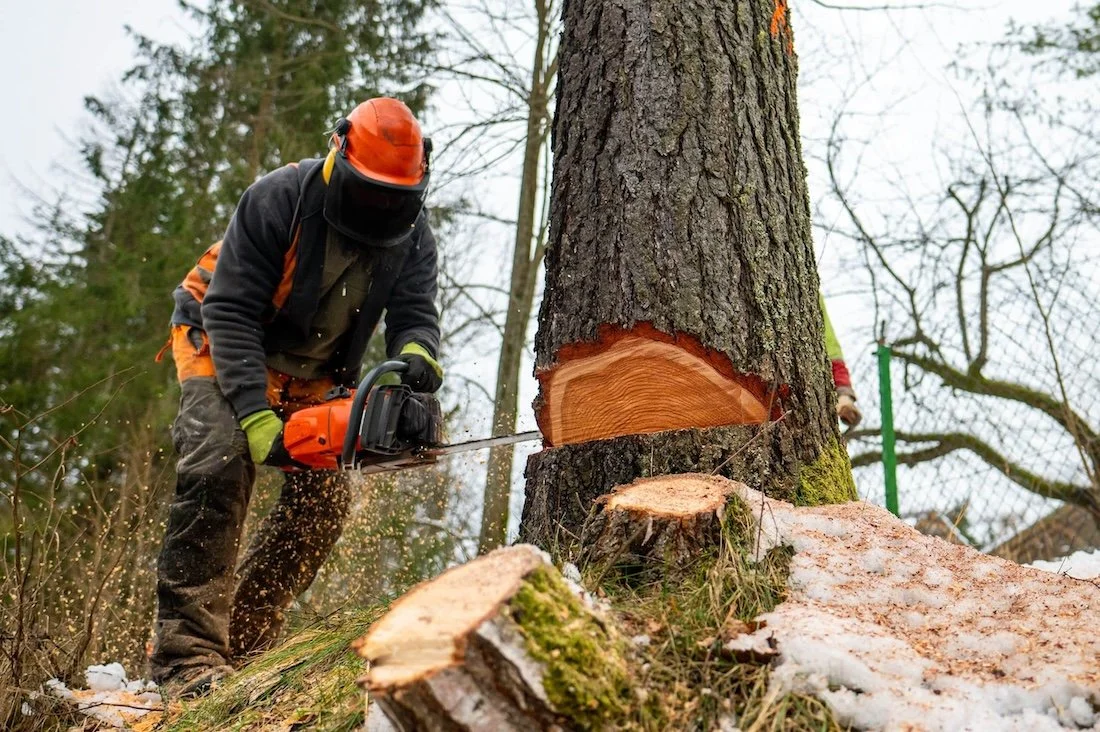
Where the tree is located plays a major role in pricing. A tree in an open yard with clear access is typically less expensive to work on than one surrounded by obstacles.
Trees located near homes or buildings, power lines, fences, decks, or sheds, Driveways or roads require extra precautions, specialized rigging, and slower, more deliberate work. Limited access may also mean smaller equipment must be used or material must be carried by hand, increasing labor time.
Type of Service Needed
Tree service pricing also depends on the type of work being performed. Common services include:
Tree removal: Typically the most expensive service due to safety risks and complexity
Tree trimming or pruning: Cost varies depending on the amount of work and tree condition
Emergency services: Storm damage or hazardous trees often come at a premium due to urgency
Stump grinding: Usually priced separately based on stump size and location
Each service requires different skills, tools, and time commitments, which are reflected in the final cost.
Tree Health and Condition
The condition of the tree matters more than many homeowners realize. Dead, dying, or storm-damaged trees are often more dangerous to work on because they are unstable and unpredictable.
A compromised tree may break unexpectedly while being cut, require sectional removal rather than felling, and increase risk to workers and property. Because of this added hazard, trees in poor condition can cost more to service safely.
Equipment and Crew Requirements
Professional tree work involves far more than chainsaws. Depending on the job, crews may need bucket trucks, cranes, chippers, stump grinders, rigging systems, and safety gear.
Jobs that require Specialized machinery, larger crews, or extended work time will typically have higher costs. These resources are essential for completing the job efficiently and safely, which ultimately protects your property.
Cleanup and Debris Removal
Another important pricing factor is what happens after the tree work is done. Many homeowners want full cleanup included, while others prefer to handle debris themselves.
Pricing may change based on whether the service includes:
Hauling away branches and logs
Chipping debris
Raking and clearing the work area
Firewood cutting or log stacking
Clear communication about cleanup expectations helps ensure the estimate reflects exactly what you want.
Insurance, Licensing, and Expertise
Professional tree services carry liability insurance, workers’ compensation, and proper licensing. While this may not be the cheapest option, it protects homeowners from significant financial risk.
Hiring an insured, experienced tree service means you’re protected if property damage occurs, workers are covered if injuries happen and the job is done according to industry standards.
Pricing reflects not just the work performed, but the professionalism and protection provided.
Why Estimates Can Vary
If you receive multiple estimates, it’s normal for prices to differ. The lowest quote isn’t always the best choice. Differences often come down to experience, safety standards, scope of work, and what’s included in the price.
A quality estimate should be transparent, detailed, and tailored to your specific situation.
Final Thoughts
Tree service pricing is based on safety, skill, time, and equipment—not just cutting wood. Understanding the factors involved helps you see the value behind the work and choose a company you can trust.
If you’re considering tree removal, trimming, or cleanup, a professional assessment is the best way to get an accurate price and peace of mind. Call Martin Tree today for a free estimate!
For expert tree care solutions, trust the professionals at Martin Tree Care. Whether you need stump grinding, tree removal, or general maintenance, our experienced team is here to help. Don’t take chances with DIY methods - let us handle the job safely and efficiently. Contact Martin Tree Care today for reliable, professional tree services!