
The Essential Guide to Ornamental Tree Trimming
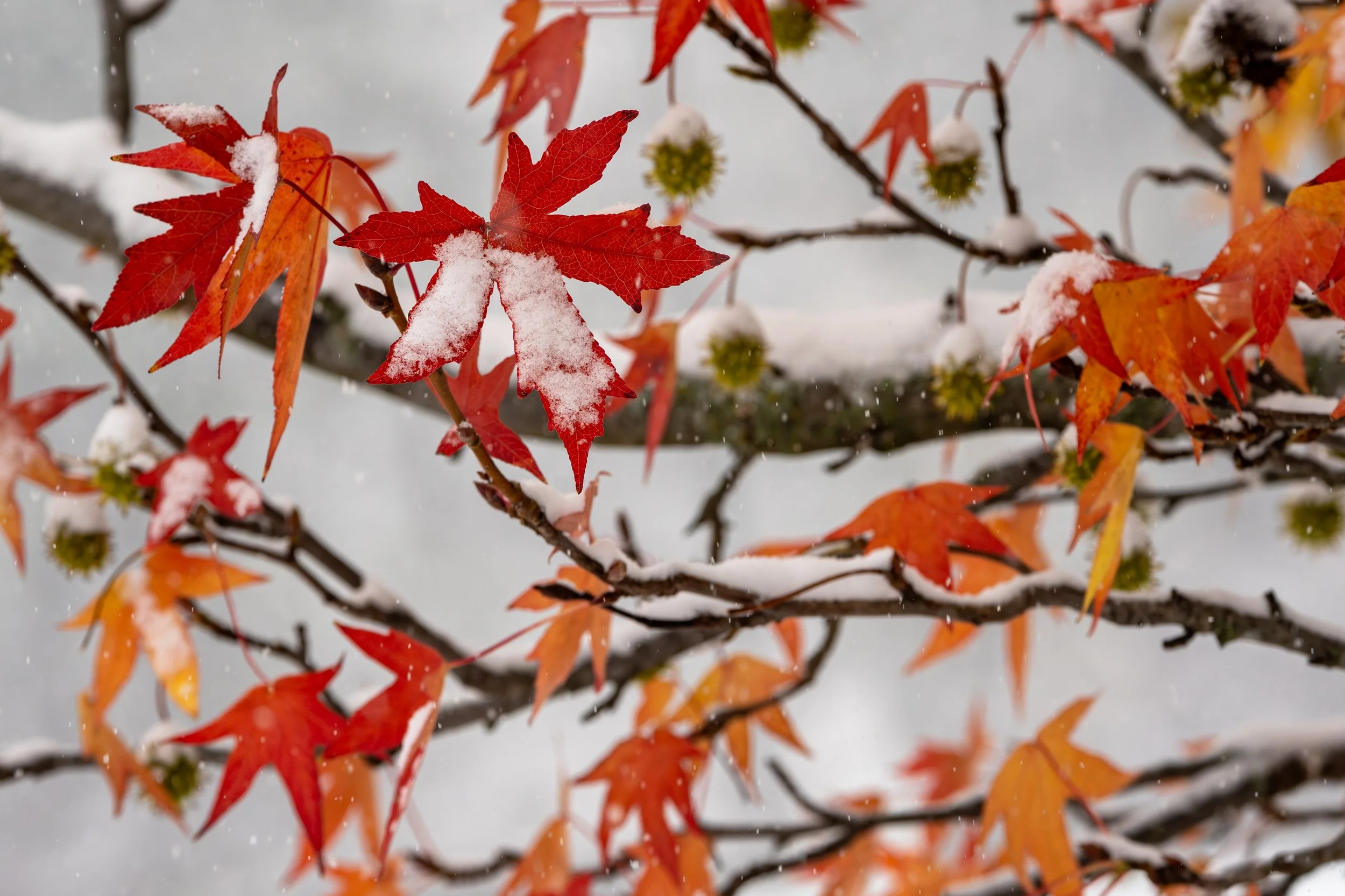
Ornamental trees play a key role in shaping the look and feel of a landscape. From the graceful branching of a Japanese maple to the springtime blooms of a flowering cherry, these trees add beauty, character, and seasonal interest to residential and commercial properties alike. However, ornamental trees require intentional care to stay healthy and attractive. One of the most important aspects of that care is proper trimming. In this guide, we’ll explore what ornamental trees are, why trimming matters, and when to schedule pruning for the best results.
What Are Ornamental Trees?
Ornamental trees are trees primarily grown for their visual appeal rather than for shade or fruit production. They are selected for features such as colorful flowers, vibrant foliage, unique bark texture, or elegant branching structure. Common ornamental trees include dogwoods, redbuds, flowering cherries, crabapples, magnolias, serviceberries, and Japanese maples.
These trees are often planted as focal points in landscapes, near entryways, along walkways, or as accents within garden beds. Because ornamental trees are prized for their appearance, maintaining their shape and structure is especially important. Without proper trimming, ornamental trees can become overgrown, uneven, or stressed, reducing both their beauty and long-term health.
Why Is Ornamental Tree Trimming Important?
Trimming ornamental trees offers benefits that go far beyond appearance. While aesthetics are important, proper pruning also plays a major role in tree health, safety, and longevity.
Enhanced Appearance: Trimming helps maintain a clean, balanced shape and prevents crowded or awkward growth. Even light pruning can dramatically improve how an ornamental tree complements the surrounding landscape.
Improved Tree Health: Removing dead, diseased, or damaged branches helps prevent the spread of pests and disease while improving airflow and sunlight penetration.
Increased Safety: Weak or overextended branches can break during storms or high winds. Regular trimming reduces risks to people, structures, and nearby property.
Controlled Growth: Strategic pruning directs energy toward strong, healthy branches, supporting better structure and, in many cases, improved flowering.
When Is the Best Time to Trim Ornamental Trees?
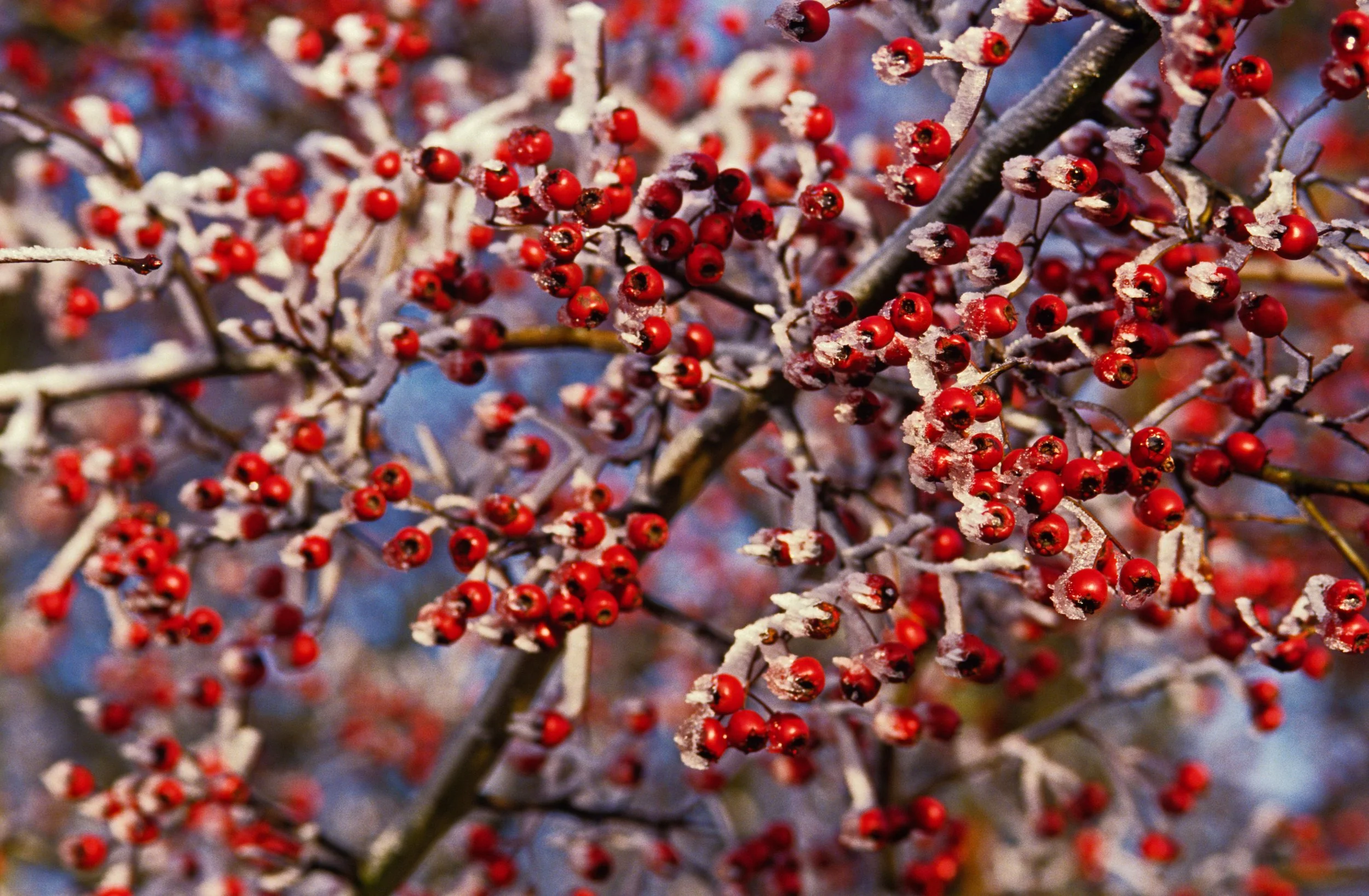
Timing is critical when it comes to ornamental tree trimming. While the exact schedule depends on the species and local climate, many ornamental trees benefit from pruning during dormancy.
Late Winter to Early Spring
Late winter to early spring is often the ideal time to trim ornamental trees. During this period, trees are dormant, meaning they are not actively growing. Pruning at this time reduces stress, limits exposure to insects and disease, and allows wounds to heal quickly once spring growth begins. Without leaves, it’s also easier to see branch structure and identify problem areas.
Ornamental Trees Best Trimmed in Late Winter to Early Spring
Not all ornamental trees follow the same pruning schedule, but many common landscape trees respond especially well to late winter or early spring trimming. These trees can be safely pruned during dormancy to improve structure, remove deadwood, and prepare for healthy growth in the coming season.
Japanese Maples
Japanese maples benefit from careful late winter pruning, which allows their delicate branching structure to be clearly seen. Trimming during dormancy helps remove crossing or crowded branches while preserving the tree’s natural, graceful form.
Redbuds
Eastern redbuds can be lightly trimmed in late winter before buds open. Dormant pruning helps correct structural issues, remove damaged branches, and encourage balanced growth without interfering with spring development.
Magnolias (Cold-Hardy Varieties)
Certain magnolia varieties, such as star magnolia and saucer magnolia, can be trimmed in late winter. Because magnolias prefer minimal pruning, this timing allows for selective cuts that reduce stress and control size.
Serviceberry
Serviceberry trees respond well to late winter pruning, especially when thinning crowded branches or removing weak growth. Dormant pruning supports healthy flowering and maintains an open canopy.
Hawthorn
Hawthorn trees benefit from late winter trimming to remove dead or damaged branches and reduce dense growth. Pruning during dormancy helps limit disease issues and encourages healthier spring growth.
Ornamental Pear (Bradford and Similar Varieties)
Ornamental pear trees should be pruned in late winter to address structural weaknesses. Dormant pruning allows arborists to remove poorly attached branches and reduce the risk of limb failure before spring storms.
While these trees are well suited for late winter or early spring trimming, it’s important to avoid excessive pruning and to tailor cuts to each tree’s growth habits.
Trees That Should Be Trimmed After Flowering
Some ornamental trees bloom early in spring using buds formed the previous year. Trees such as dogwoods, flowering cherries, and certain magnolias should be trimmed shortly after flowering ends. Pruning too early can remove flower buds and reduce seasonal blooms.
How Often Should Ornamental Trees Be Trimmed?
Trimming frequency depends on the tree’s age, species, and role in the landscape. Young ornamental trees often benefit from annual pruning to establish strong structure. Mature trees typically require trimming every one to three years to remove deadwood, maintain shape, and manage growth. Trees grown for dramatic form or flowering displays may need more frequent attention.
Why Professional Trimming Matters
While homeowners can handle minor maintenance, ornamental tree trimming often requires professional expertise. Improper cuts can permanently alter a tree’s shape or create entry points for disease. Professional arborists understand species-specific needs, proper pruning techniques, and safety protocols, helping ensure trees remain healthy and visually appealing.
Final Thoughts
Ornamental tree trimming is a vital part of landscape care that blends horticultural knowledge with aesthetic judgment. By understanding which trees benefit from late winter pruning and scheduling trimming at the right times, you protect your investment and enhance your property’s curb appeal. With a consistent care plan and professional support when needed, ornamental trees can remain beautiful, healthy focal points for many years to come.
Schedule Your Ornamental Oak Pruning Today
If you have ornamental trees on your property, now is the perfect time to plan ahead. By scheduling your trimming during the late-winter, early spring season, you’re safeguarding your trees, your landscape, and your investment in your home.
Contact Martin Tree Service today to schedule your ornamental tree inspection and pruning. Together, we can ensure your trees stay healthy, strong, and beautiful for years to come.
For expert tree care solutions, trust the professionals at Martin Tree Care. Whether you need stump grinding, tree removal, or general maintenance, our experienced team is here to help. Don’t take chances with DIY methods—let us handle the job safely and efficiently. Contact Martin Tree Care today for reliable, professional tree services in Livingston and Washtenaw County!