
When to Schedule Commercial Tree Inspections
Trees are one of the most valuable assets on any commercial property. They provide shade, improve curb appeal, enhance customer experience, reduce energy costs, and increase overall property value. Mature trees can transform an office complex, retail center, apartment community, or industrial park into a welcoming, professional environment.
But when trees are left unmanaged, especially around parking lots, walkways, entrances, and buildings, they can quickly shift from asset to liability.
That’s why proactive commercial tree inspections are one of the smartest investments a property manager, facilities director, or commercial property owner can make.
What Is a Commercial Tree Inspection?
A commercial tree inspection is a comprehensive evaluation performed by a certified arborist. It goes far beyond a quick visual check performed by maintenance staff. A professional inspection examines tree health, structural integrity, environmental conditions, and potential safety risks before they escalate into emergencies.
During a commercial tree risk assessment, arborists evaluate:
Structural stability of trunks and major limbs
Dead, damaged, cracked, or hanging branches
Signs of disease, decay, or pest infestation
Root health and soil conditions
Soil compaction and drainage concerns
Clearance over drive lanes, sidewalks, signage, and buildings
Evidence of storm damage or stress fractures
The goal is simple: identify potential hazards early and develop a proactive plan that protects people, property, and long-term tree health.
Unlike reactive emergency services, scheduled commercial tree inspections focus on prevention, reducing risk before it results in property damage or liability claims.
Why Commercial Tree Inspections Matter
1. Reduce Liability and Protect Public Safety
Safety is the primary reason commercial properties schedule regular tree inspections. Trees located in high-traffic areas pose real liability exposure if structural weaknesses go unnoticed.
A single limb failure over a parking lot, sidewalk, or entrance can result in:
Personal injury
Vehicle damage
Insurance claims
Lawsuits
Negative publicity
Increased insurance premiums
Commercial properties have a legal duty to maintain reasonably safe premises. Routine tree inspections demonstrate due diligence and proactive risk management, something insurance carriers and legal teams take seriously.
2. Prevent Costly Emergency Tree Removal
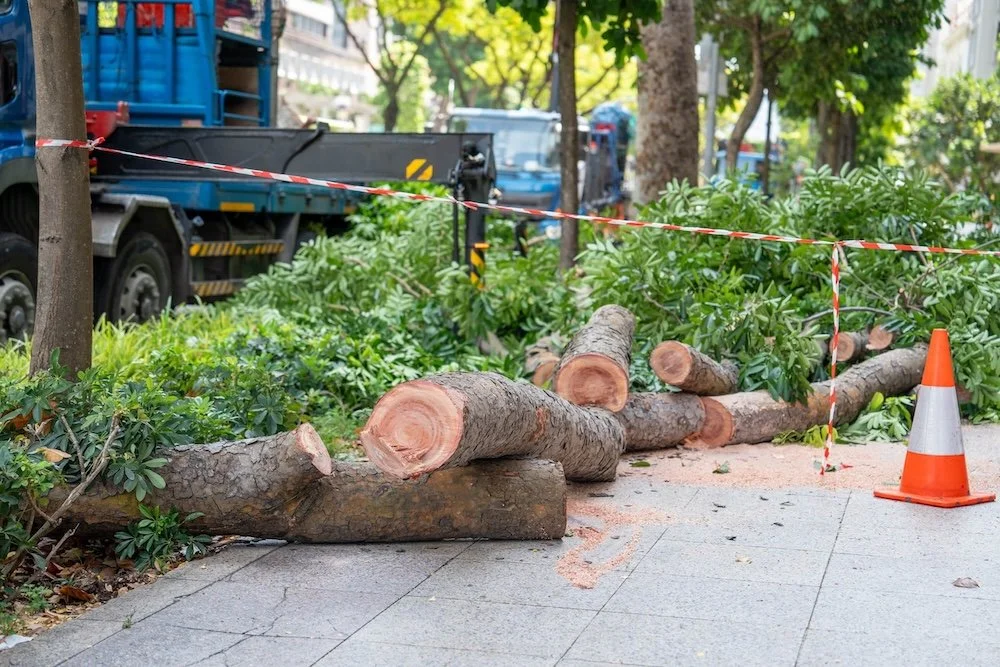
Emergency tree removal is significantly more expensive than planned maintenance. When a tree fails unexpectedly, costs often extend beyond the removal itself. Property owners may face emergency response fees, building or vehicle repairs, business interruption, tenant disruption, and landscape replacement. These added expenses can quickly exceed the cost of proactive inspections and routine maintenance.
Regular inspections allow arborists to identify declining or structurally compromised trees before they fail. Strategic pruning, cabling, bracing, or targeted removal can be scheduled during normal operations — minimizing disruption and cost.
3. Protect Property Value and Curb Appeal
Healthy trees enhance the professional appearance of any commercial property. They create shade, improve comfort, and signal that the property is well-maintained.Dead branches, thinning canopies, visible decay, or unbalanced growth send the opposite message.
Routine commercial tree care maintains clean, structured canopy lines. It ensures proper clearance from buildings, signage, and walkways. It supports healthy seasonal growth, preserving a consistent, professional appearance year-round.
For retail centers, medical campuses, apartment complexes, and corporate offices, appearance directly impacts customer perception and tenant satisfaction.
4. Extend the Life of Mature Trees
Large, mature trees represent decades of growth and significant replacement value. When trees decline due to soil compaction, root damage, disease, or environmental stress, early intervention can often extend their lifespan.
A certified arborist can recommend:
Soil improvement strategies
Targeted fertilization
Integrated pest management
Structural pruning
Root zone protection
Preserving mature trees is almost always more cost-effective than removing and replacing them.
When Should Commercial Properties Schedule Tree Inspections?
Timing matters, especially in regions like Michigan, where seasonal weather plays a major role in tree health and structural integrity.
Early Spring (March–April)
Early spring is one of the best times to schedule commercial tree inspections.
Winter snow loads, ice accumulation, and high winds can leave behind hidden structural damage. Before full leaf-out, arborists can clearly assess canopy structure, identify cracked limbs, and spot storm-related stress fractures.
Spring inspections also allow property managers to address issues before peak foot traffic and summer storm season.
Late Fall (October–November)
Late fall is another ideal inspection window.
Once leaves drop, arborists have a clear view of branch structure, deadwood, and structural weaknesses. Fall inspections help properties prepare trees for winter weather and reduce the risk of ice-related failures.
After Major Storms
Severe thunderstorms, high winds, heavy snow, and ice storms can compromise tree stability. Even if damage isn’t immediately visible, internal cracks or root shifts may exist.
Post-storm inspections are essential for commercial properties with large parking lots, high pedestrian traffic, outdoor dining or gathering areas, and mature tree canopies
After Construction or Renovation Projects
Construction activity can significantly impact tree root systems. Soil compaction, trenching, grading, and equipment traffic often damage roots without obvious above-ground signs.
If your property has undergone recent development or expansion, a professional tree risk assessment is highly recommended.
How Often Should Commercial Properties Schedule Inspections?
For most commercial properties, an annual tree inspection is the minimum standard.
However, higher-risk sites may benefit from biannual inspections, including:
Retail centers with constant foot traffic
Schools and healthcare facilities
Apartment complexes
Municipal properties
Properties with large, mature tree populations
An arborist can help determine the right inspection schedule based on tree species, age, location, and site conditions.
What a Certified Arborist Evaluates
A professional commercial tree inspection goes far beyond surface appearance. A certified arborist carefully evaluates trunk integrity and internal decay, branch attachment strength, canopy balance and weight distribution, and root flare visibility and stability. They also assess soil health, compaction levels, and drainage patterns, while identifying signs of disease progression, pest infestations, and structural load concerns that could increase risk over time.
They may use specialized tools such as sounding mallets or resistograph equipment to evaluate internal decay.
Most importantly, inspections result in clear, actionable recommendations, including targeted pruning, deadwood removal, cabling or bracing, soil remediation, pest treatment, scheduled tree removal (if necessary), and long-term maintenance planning
This strategic approach allows property managers to budget appropriately and avoid unexpected surprises.
The Business Case for Proactive Tree Inspections
Commercial tree care is not just landscaping, it’s risk management and asset protection.
A proactive inspection program helps you:
Reduce liability exposure
Demonstrate due diligence
Extend the life of mature trees
Maintain professional curb appeal
Protect tenants, customers, and employees
Avoid emergency service costs
Improve long-term landscape planning
Waiting until a limb fails often leads to higher costs, greater disruption, and preventable liability.
Protect Your Commercial Property Before Problems Develop
Healthy, well-maintained trees are powerful assets, but unmanaged trees create risk.
Scheduling regular commercial tree inspections ensures your property remains safe, attractive, and professionally maintained year-round.
At Martin Tree Care, our certified arborists provide comprehensive commercial tree inspections designed to identify risk early, protect your investment, and support long-term tree health.
If your commercial property hasn’t had a recent inspection, now is the time. Preventative care today protects your property tomorrow.