What Happens After a Tree Falls? The Insurance Process

When a tree falls on your property, it can be stressful, confusing, and overwhelming, especially if it damages your home, vehicle, fence, or neighboring property. Between safety concerns, cleanup, and repairs, many homeowners aren’t sure where to start. One of the most common questions we hear as a tree service company is: “Will insurance cover this?”
While every situation is unique, understanding the general insurance process can help you move forward with confidence. Here’s a step-by-step guide to what typically happens when a tree falls and how insurance coverage usually works.
Step 1: Prioritize Safety First
Before thinking about insurance, make sure everyone is safe. Fallen trees can bring down power lines, damage structural supports, or leave unstable limbs hanging overhead. If the tree is touching electrical lines, keep your distance and contact the utility company immediately.
Once the area is safe, or as safe as possible, this is a good time to call a professional tree service. Many insurance companies expect homeowners to take reasonable steps to prevent further damage, which often includes emergency tree removal or stabilization.
Step 2: Document the Damage
Insurance claims rely heavily on documentation. Take clear photos and videos of the fallen tree from multiple angles, including:
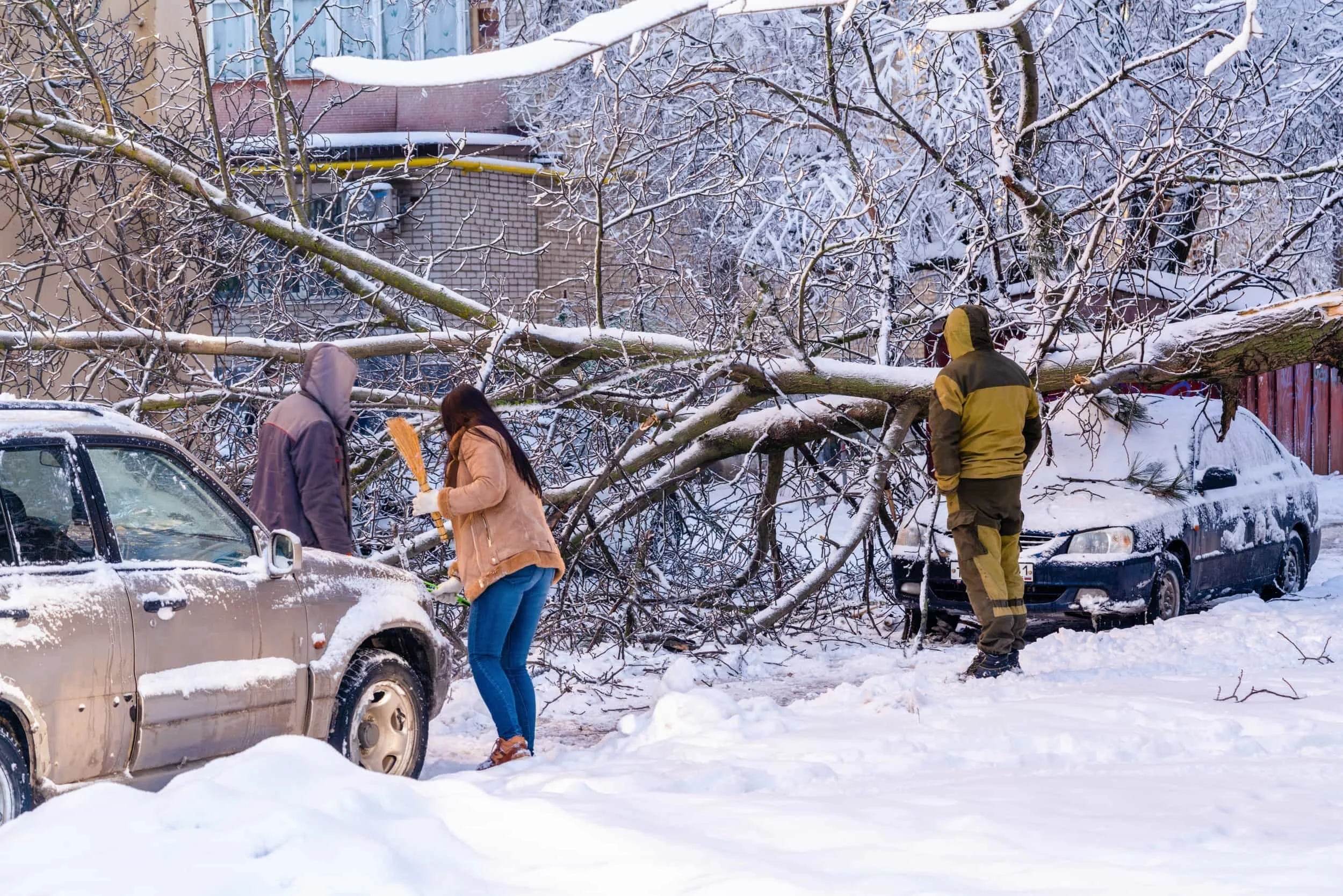
The tree itself
Any damage to structures (roof, siding, fence, shed, etc.)
Damage to vehicles or other property
The surrounding area, if relevant
If possible, capture images before any cleanup begins. This visual evidence helps your insurance adjuster assess the cause and extent of the damage.
Step 3: Contact Your Insurance Company
Next, notify your homeowner’s insurance provider as soon as possible. They will open a claim and explain your specific coverage, deductibles, and next steps.
In general:
If a tree falls due to a covered event (such as a storm, wind, or lightning) and damages a covered structure, insurance typically covers removal and repairs.
If a tree falls without damaging anything, insurance often does not cover removal, even if the tree fell due to weather.
If your tree falls onto a neighbor’s property, coverage usually depends on where the damage occurs, not who owned the tree.
Your adjuster may schedule an inspection or ask for estimates from licensed professionals.
Step 4: Get a Tree Removal Estimate
Insurance companies frequently require written estimates from professional tree services. A reputable tree service can provide detailed documentation outlining:
The scope of work
Safety considerations
Equipment required
Emergency vs. non-emergency removal
Experienced tree companies understand insurance-related work and can help ensure estimates include the necessary details insurers look for.
Step 5: Temporary Repairs and Mitigation
If the fallen tree has caused roof damage, broken windows, or exposed areas of your home, your insurance company may ask you to make temporary repairs to prevent further damage. This could include tarping a roof or boarding up openings.
Keep all receipts related to these temporary measures, as they are often reimbursable under your policy.
Step 6: Claim Review and Approval
Once all documentation and estimates are submitted, the insurance company reviews the claim. They may approve full coverage, partial coverage, or deny certain aspects based on policy terms and deductibles.
If approved, payment may be issued directly to you or, in some cases, jointly to you and the contractor. This allows the tree removal and repairs to move forward without unnecessary delays.
How a Professional Tree Service Helps
Working with a licensed, insured tree service makes the entire process smoother. Professional crews know how to handle hazardous situations, provide proper documentation, and work alongside insurance requirements, all while protecting your property from additional damage.
Final Thoughts
A fallen tree is never convenient, but understanding the insurance process can take much of the uncertainty out of the situation. Acting quickly, documenting thoroughly, and working with experienced professionals can make a big difference in how smoothly your claim is handled.
If you’re dealing with a fallen or damaged tree, our team is here to help, from emergency response to working alongside your insurance needs. Contact Martin Tree anytime for guidance, safety, and peace of mind.