
Winter weather can be tough on trees. Heavy snow, ice storms, strong winds, and road salt all pose serious risks to tree health and safety. The good news? With the right precautions, homeowners can reduce winter damage and help their trees stay strong through the colder months.
Common Winter Threats to Trees
Understanding what your trees are up against is the first step toward protecting them.
Snow & Ice: Excess weight can cause limbs to snap or trees to split.
Wind: Winter storms can uproot weakened trees or break large branches.
Cold & Freeze-Thaw Cycles: Sudden temperature changes can crack bark and stress roots.
Salt Exposure: Road salt and de-icers can damage roots and burn foliage, especially on roadside trees.
How to Protect Trees During Winter
1. Prune Before Problems Start
Removing dead or weak branches before heavy snow arrives reduces the risk of breakage. Winter pruning is often ideal because trees are dormant.
2. Shake Off Heavy Snow—Safely
For smaller trees and shrubs, gently brushing snow off branches can help prevent breakage. Avoid hitting branches or attempting this during icy conditions.
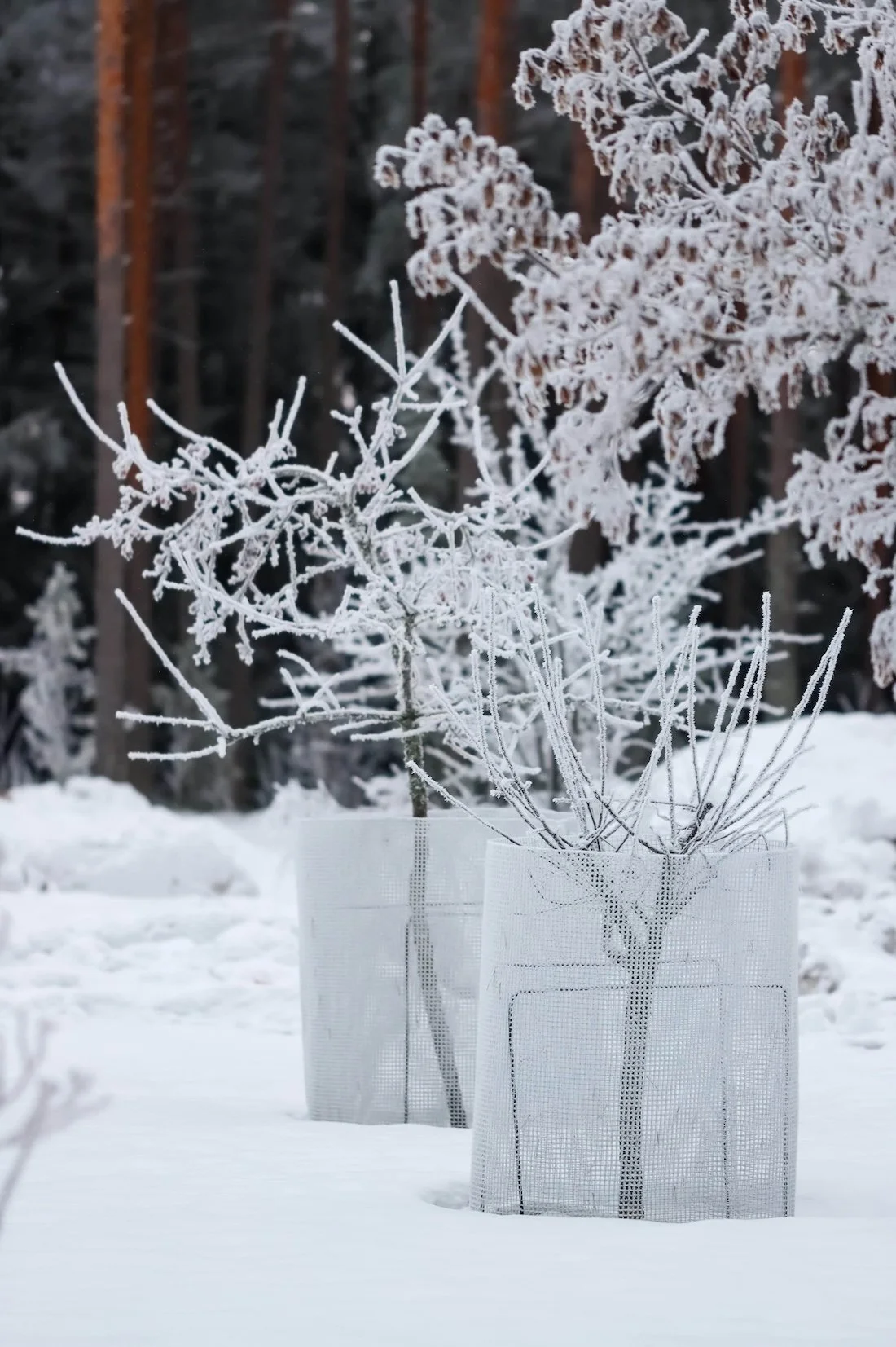
3. Protect Young and Newly Planted Trees
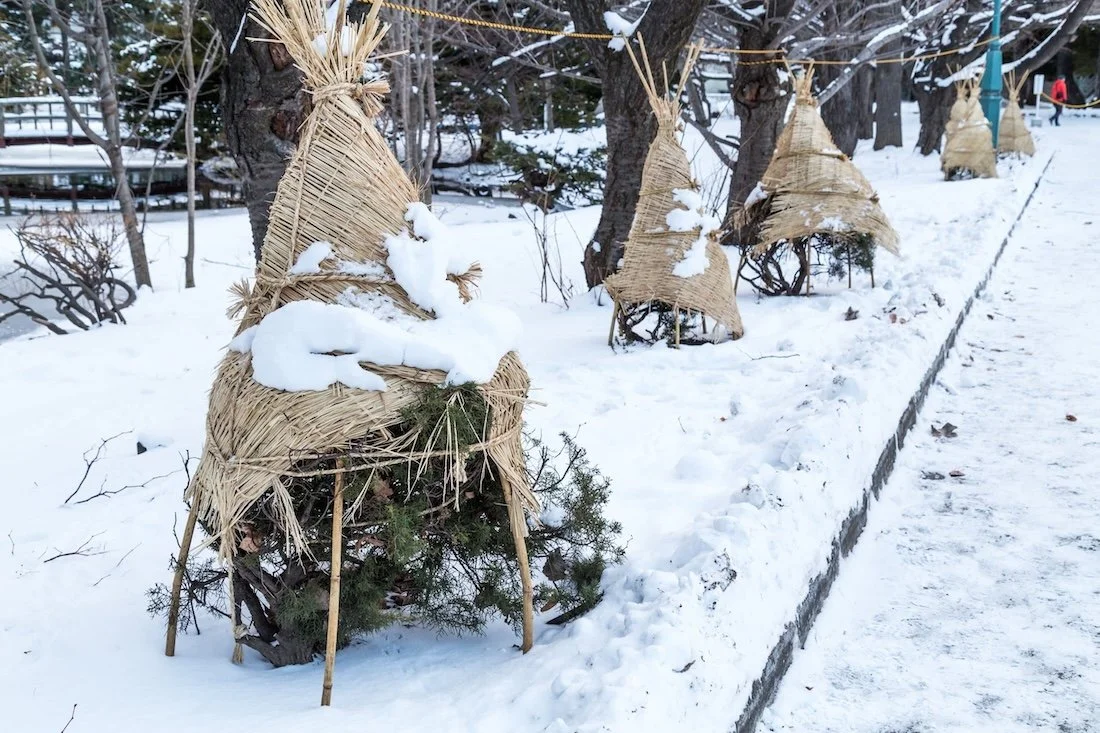
Tree wraps and guards can prevent sunscald, frost cracking, and damage from animals like deer and rodents.
4. Mulch for Insulation
Applying mulch around the base of a tree helps regulate soil temperature and retain moisture during dry winter periods.
5. Minimize Salt Damage
Use salt alternatives when possible and avoid piling snow mixed with salt near tree roots.
What Homeowners Shouldn’t Do
Don’t climb trees or attempt pruning during icy or snowy conditions
Don’t ignore hanging limbs or storm damage
Don’t assume trees are “fine” just because they’re dormant
When Professional Help Is Needed
Some winter tree issues require expert attention, especially after storms or when large trees are involved. Certified professionals have the equipment and experience to safely handle winter pruning, storm damage, and hazardous trees.
Protect Now, Benefit in Spring
Taking steps to protect your trees in winter helps prevent costly damage and promotes healthier growth when warmer weather returns. A little attention now can make a big difference later.
If you’re unsure how winter conditions are affecting your trees, a professional assessment can help keep your landscape safe and healthy year-round.
For expert tree care solutions, trust the professionals at Martin Tree Care. Whether you need stump grinding, tree removal, or general maintenance, our experienced team is here to help. Don’t take chances with DIY methods, let us handle the job safely and efficiently. Contact Martin Tree Care today for reliable, professional tree services in Livingston County!