
Is My Tree Too Close to My House? A Michigander’s Guide
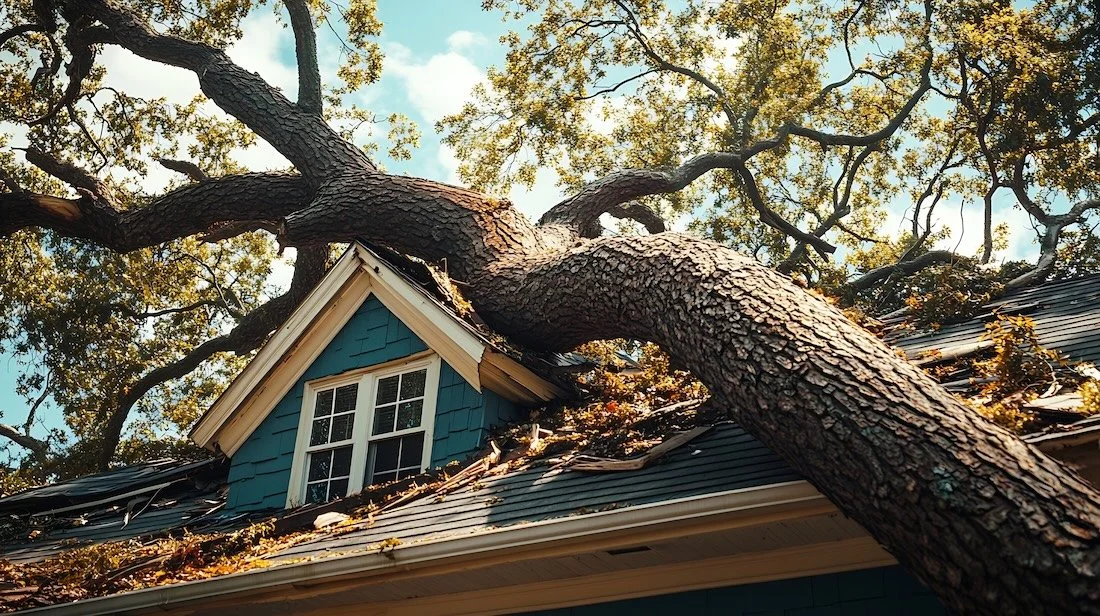
Trees add beauty, shade, and value to your Michigan home, but when they're planted too close to your house, they can go from an asset to a serious liability. Whether you're looking at a mature oak that's been there for decades or a young maple you planted a few years ago, understanding the risks of trees near your home is something every Michigan homeowner should know.
So how close is too close? And what should you do if a tree is already too near your house? Let's break it down.
Why Tree Proximity Matters
Trees don't stay small. A sapling that looked perfectly harmless when you planted it 15 years ago may now have a root system pushing against your foundation and branches scraping your roof every time the wind blows.
The main risks of trees growing too close to a home include:
Foundation damage from invasive root systems
Roof and gutter damage from overhanging branches and falling debris
Siding and window damage from branches rubbing against the house
Basement flooding caused by roots disrupting drainage systems
Structural hazards if a weakened or storm-damaged tree falls toward the house
Pest entry points - branches touching your home give squirrels, raccoons, and insects a direct path inside
Michigan's climate makes these risks even more pronounced. Heavy snow and ice loads in winter can cause branches to snap under pressure, and our spring wind storms can bring down limbs, or entire trees, with little warning.
General Guidelines: How Far Should a Tree Be From Your House?
There's no single universal rule, but here are widely accepted guidelines based on tree size at maturity:
Small trees (under 25 ft)
At least 10 feet
Medium trees (25–50 ft)
At least 15–20 feet
Large trees (50+ ft)
At least 20–35 feet
Very large trees (oaks, maples, cottonwoods)
35–50 feet or more
Keep in mind that these are minimum recommendations. More distance is always better, especially for large trees with aggressive root systems.
Common Michigan Trees and Their Root Behavior
Some trees are far more problematic near homes than others. Here's a quick look at trees commonly found in Michigan yards:
High-Risk Trees (plant far from your home)
Silver Maple: Fast-growing with a notoriously aggressive, shallow root system. One of the most common causes of foundation and sewer line damage in Michigan.
Weeping Willow: Roots actively seek out water sources, including your pipes and drainage systems.
Cottonwood: Massive root spread and brittle branches make this a high-risk tree near structures.
White Ash: Already weakened in many areas by Emerald Ash Borer, making them more prone to falling.
Lower-Risk Trees (better suited for planting near homes)
Serviceberry
Eastern Redbud
Dwarf or compact ornamental varieties
If you're planning to plant new trees, always research the mature size and root behavior before choosing a location.
Warning Signs Your Tree May Be Too Close
Already have a tree near your house and wondering if it's a problem? Watch for these red flags:
On the tree:
Branches hanging directly over your roof
Limbs touching or rubbing against siding, windows, or gutters
Visible roots pushing up through the ground near your foundation
A lean toward the house
Dead or dying branches in the canopy
On the house:
Clogged gutters filled with leaves, seeds, or twigs from the tree
Scratches, stains, or wear marks on siding from rubbing branches
Cracks in your foundation or driveway (roots may be the culprit)
Water intrusion in your basement after heavy rain
Missing or damaged roof shingles under overhanging branches
If you're seeing any of these signs, it's time to bring in a certified arborist for an assessment.
What Can Be Done?
Just because a tree is close to your house doesn't necessarily mean it needs to come down. There are several options depending on the situation:
Trimming and Crown Reduction
In many cases, strategic pruning can remove overhanging branches and reduce the risk to your home without removing the tree entirely. A certified arborist can trim the tree in a way that maintains its health while creating safe clearance from your roof, gutters, and siding.
Root Barriers
If root intrusion is a concern but the tree is otherwise healthy, a root barrier (a physical underground barrier installed between the tree and your foundation or pipes) can help redirect root growth away from your home.
Cabling and Bracing
For trees with structural weaknesses or heavy, overhanging limbs, cabling and bracing systems can add support and reduce the risk of branch failure during Michigan storms.
Tree Removal
Sometimes removal is the safest and most practical option, particularly if the tree is already dead or dying, severely diseased, or so large and close that no amount of trimming will adequately reduce the risk. While it's never an easy decision, removing a hazardous tree is far less costly than repairing a damaged roof or foundation.
What About Roots and Your Foundation?
This is one of the most misunderstood aspects of tree proximity. Tree roots generally follow the path of least resistance. They don't typically "attack" foundations directly. However, they can:
Exploit existing cracks in foundations, widening them over time
Dry out the soil around your foundation, causing it to shrink and shift
Invade sewer and water lines, especially older clay pipes
If you're seeing foundation cracks and have a large tree nearby, it's worth having both a structural inspector and an arborist take a look.
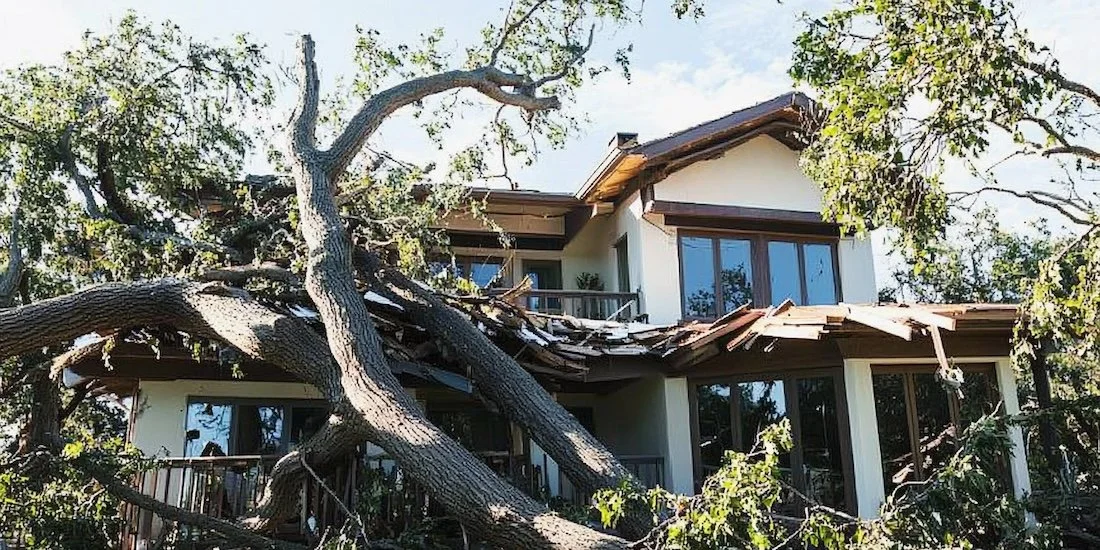
Already Built Close to a Tree? Here's What to Do
If you've purchased a home with a large tree already near the structure, don't panic, but don't ignore it either. Here's a smart approach:
Schedule a professional tree assessment: A certified arborist can evaluate the tree's health, structure, and root system and give you an honest recommendation.
Get a quote for trimming: Even if removal isn't necessary, regular pruning will reduce your risk significantly.
Check your homeowner's insurance: Some policies cover tree-related damage; others don't. Know what you're covered for before something happens.
Keep records: If you've had an arborist assess a tree and they've advised removal, document it. This can be important for insurance claims if damage occurs later.
The Bottom Line
Trees near your home aren't always a problem, but they do require attention, especially in a state like Michigan where winter storms and high winds are a regular part of life. The best thing you can do is stay proactive: have your trees inspected regularly, keep branches trimmed back from your roof and siding, and don't wait until after a storm to address a tree you've been worried about.
At Martin Tree Company, we help Michigan homeowners assess and manage trees of all sizes. Whether you need a simple trim or a full removal, our certified arborists are here to help. Contact us today for a free estimate.