Ice Storm? Here’s When to Call a Tree Care Professional
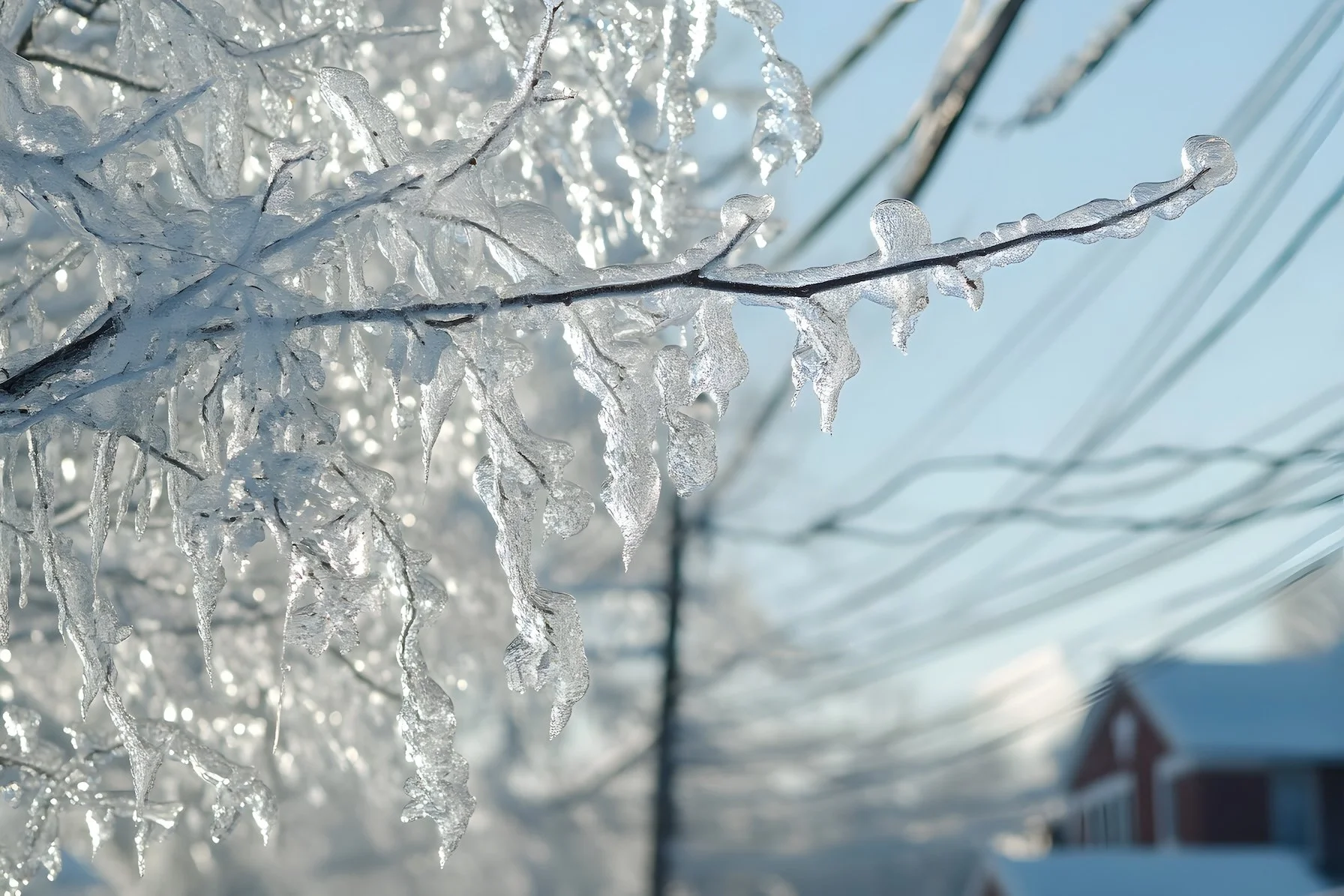
Ice storms can turn your yard into a winter wonderland, but beneath the sparkle, trees may be struggling under a dangerous amount of weight. Ice accumulation is one of the most common causes of winter tree damage, and many issues aren’t always obvious right away. Knowing when to call a tree professional after an ice event can protect your home, prevent accidents, and help your trees recover safely.
Here’s what homeowners should look out for:
1. Branches Are Cracked, Split, or Hanging
If you see any cracked or partially broken branches, it’s time to contact a professional. Ice puts immense pressure on limbs, and even small branches can snap unexpectedly as temperatures rise. Hanging limbs, often called “widowmakers”, are especially dangerous because they may fall without warning. A certified arborist can safely remove damaged branches before they cause harm.
2. A Tree Is Leaning More Than Usual
Ice buildup can cause a sudden change in balance, and trees that were previously upright may start leaning under the frozen weight. A new or severe lean is a red flag that the tree’s stability has been compromised. In many cases, the root system may be damaged or partially uprooted. Because leaning trees are unpredictable, a professional should evaluate them right away.
3. Large Limbs Are Close to Homes, Cars, or Power Lines
If heavy, ice-covered branches are hanging over your home, driveway, garage, or vehicles, the risk is too high to ignore. The added weight from ice drastically increases the likelihood of breakage, and falling branches can cause thousands of dollars in damage. Branches near power lines are even more hazardous and should never be handled by homeowners. Only trained professionals and utility crews should address these situations.
4. The Tree Has Lost More Than One-Quarter of Its Canopy
Losing a few branches is normal after an ice storm, but significant canopy loss can affect the tree’s long-term health. When over 25% of a tree's branches are broken or missing, the tree may struggle to produce energy and heal properly. An arborist can determine whether the tree can be saved through corrective pruning or whether removal is the safest option.
5. There’s Visible Bark Damage or Splitting
Ice can cause deep cracks or splits in the trunk, creating openings for insects and disease. If you notice torn bark, large wounds, or visible internal wood, it’s important to have a specialist assess the damage. Structural injuries like trunk splits rarely heal on their own and may require professional intervention to prevent further decline.
6. When You’re Unsure About the Safety of the Tree
Even if the tree looks fine, hidden ice damage can make it unstable. If you notice unusual bends, creaking sounds, sudden drops in branches, or anything that feels “off,” it’s safer to have the tree evaluated. A professional can identify risks that may not be obvious to the untrained eye.
Never Attempt Ice-Covered Tree Work on Your Own
Ice makes branches slippery, brittle, and unpredictable. Cutting frozen limbs can cause sudden snaps or rapid shifts in weight distribution. Climbing or using ladders near icy trees is extremely dangerous.
Calling a professional is essential when you see cracked limbs, new leaning, significant canopy loss, or any damage near structures or power lines. Here at Martin Tree, we have the equipment and expertise to handle icy conditions safely. Even if you’re unsure, a quick assessment from our certified arborists can prevent hazards and help your trees recover. We’re here to help!
For expert tree care solutions, trust the professionals at Martin Tree Care. Whether you need stump grinding, tree removal, or general maintenance, our experienced team is here to help. Don’t take chances with DIY methods—let us handle the job safely and efficiently. Contact Martin Tree Care today for reliable, professional tree services in Livingston County!